Fungi can be interesting to observe, but not all of them are healthy and molds that have spoiled food are particularly a problem.

Microscope info | Citizen Science | Amateur Microscopy
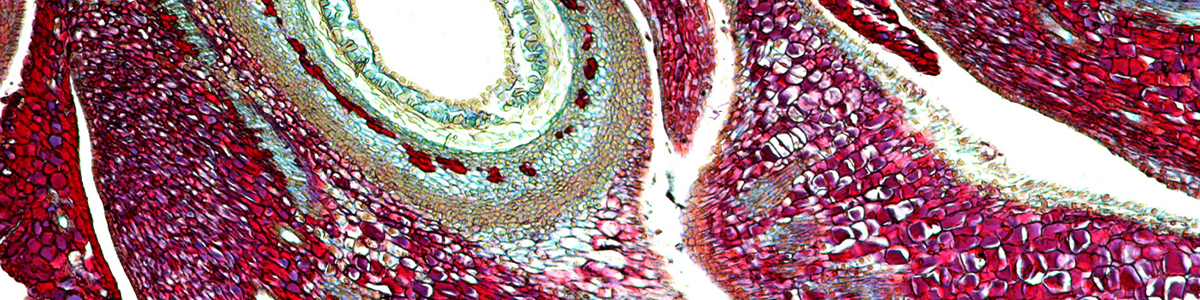
This category contains posts with labwork that can be done in a school.
Fungi can be interesting to observe, but not all of them are healthy and molds that have spoiled food are particularly a problem.
Alcohol is a solvent of choice for preserving specimens. Alcohol, however, causes some specimens to shrink.
Pond water is a favorite sample to observe. Sometimes, you do not see anything, however. The reason is usually that you took a sample from the water itself and not of the ground.

A drop of inorganic fertilizer greatly enhances the growth of algae in a mini-aquarium.
Small air bubbles in the slide are not generally a problem but can be avoided or reduced by several methods.
Objects for microscopy must be sufficiently thin, translucent and must have a sufficiently high contrast.
A slide box with ready-made permanent slides gives you already many interesting things to look at.
Squashing the specimens (instead of cutting them) is a fast and easy way to prepare specimens.

Is it possible to use microscopes to identify pathogens, such as the EHEC bacterium, which currently (May-June 2011) causes problems in some parts of Europe? The answer is, unfortunately, no.

A simple check of the refrigerator (or the super market) provides many safe sources for microorganisms to view under the microscope.
This site uses cookies. By continuing to use the site, you agree to the use of cookies. For more information <a href= more information
The cookie settings on this website are set to "allow cookies" to give you the best browsing experience possible. If you continue to use this website without changing your cookie settings or you click "Accept" below then you are consenting to this.